"Weeds are flowers too once you get to know them" A. A. Milne
So... here are some of my weeds.

 We adopted a new dog on Friday, 2/16/24. It was time. Grace (now Tilly) has some health challenges and was transferred from Gallup, NM to High Country Humane in Flagstaff. She's quite a cutie, and can't stop wagging her tail (see photo) and licking us. An Australian shepherd mix, she was only 27 lbs when High Country did their intake 3 weeks ago & today is 41lbs. We're feeding her 3/day and now able to cut back to a reasonable amount of food. So far, we haven't found anything she will not eat.
 She was food deprived (probably on the streets for a while) and likes to eat fast & run away. To slow down her eating, and instead of buying a fancy slow-eat bowl, I put a big river rock in the middle. Works like a charm😂

 |
 |


Every year, as we plan our garden, we look for better ways to design and improve. We always plant beans and bush varieties are easy to harvest, but a couple of heirloom favorites still require climbing space. Our beloved pole beans are: Kentucky Wonder, Scarlet Runner, Painted Lady, and a 1930 Ozark purple bean. We plant these for the flavorful beans and colorful flowers. The red, white, pink and yellow flowers attract hummingbirds and nectar loving birds and insects.
A Creative Pole Bean Structure. When you want to create structures for sprawling beans, it can be challenging and construction can be labor intensive and expensive. Winter is hard on untreated wooden stakes. Metal posts can detract from natural, woodland settings, and pre-built climbing cages can be costly.
Over twenty years ago we found the perfect material for constructing poles and cages for beans and other climbing vines. Once dried, the Southwest succulents called Agave (a-gaugh-vē) parryi are now our building material of choice. The tall candelabras with dried flowering tops are ideal structures that last for years.
What is Agave? Agaves have been used by native people for food, fiber, and ornamentation for hundreds of years. The plants are popular with landscapers and gardeners in warm climates. Gardeners use agaves in low water gardens, which adds stunning green and blue colors, texture, and style to landscape design.
When the agave completes its blooming season, the
tall candelabra-like branch or mast (sometimes up to 15 feet high)
collapses on the ground. In our mountainous area of New Mexico and Arizona, heavy snowfall in the mountains
can also cause the blooms to topple.
A Good Way to Recycle. Since the agave poles
are made of dried, natural fiber and wood they can become tall, elegant
displays – even before the plants climb to the top. They provide excellent
perches for insect eating birds, especially flycatchers and bluebirds, which
dive and hunt from these lookouts. As the poles become covered with plants or vines, children can have fun in the teepees, playing hide-and-seek, while
searching for beans to pick. It can be a great way to build a natural “fort”
for the kids.
When you’re done with the bean poles, simply fold for re-use the next year. Mother Nature and I love to recycle in the garden and these agave poles help the process. After about 3-5 years (depending how you store them, they recycle nicely in the compost bin!
How to Harvest Agave Poles
| |
Regulations for Gathering Agave Poles. It’s important to check with the USDA-USFS to see if a permit is required in your area to gather the dead (and fallen) agave wood. If so, it can be considered "free-use" or similar to obtaining a permit for gathering pine cones, seeds or branches. The cost should be minimal (but could be as much as $20) to harvest the dead masts. These permits may only be valid for 30 days, so plan ahead.
... when you've been a birder all your life, and you're a senior, "unlearning" and "relearning" can be challenging. I mentally made a list of my common garden birds that will be renamed, and I must admit I'm a bit saddened. I am also anxious to see what their new names will be. If you haven't heard about the changes, click on the link below.

I understand the concerns and look forward to many new birds I've seen before.
It's not here right now, but soon (we hope).
Here are some reminders of winter's beauty.
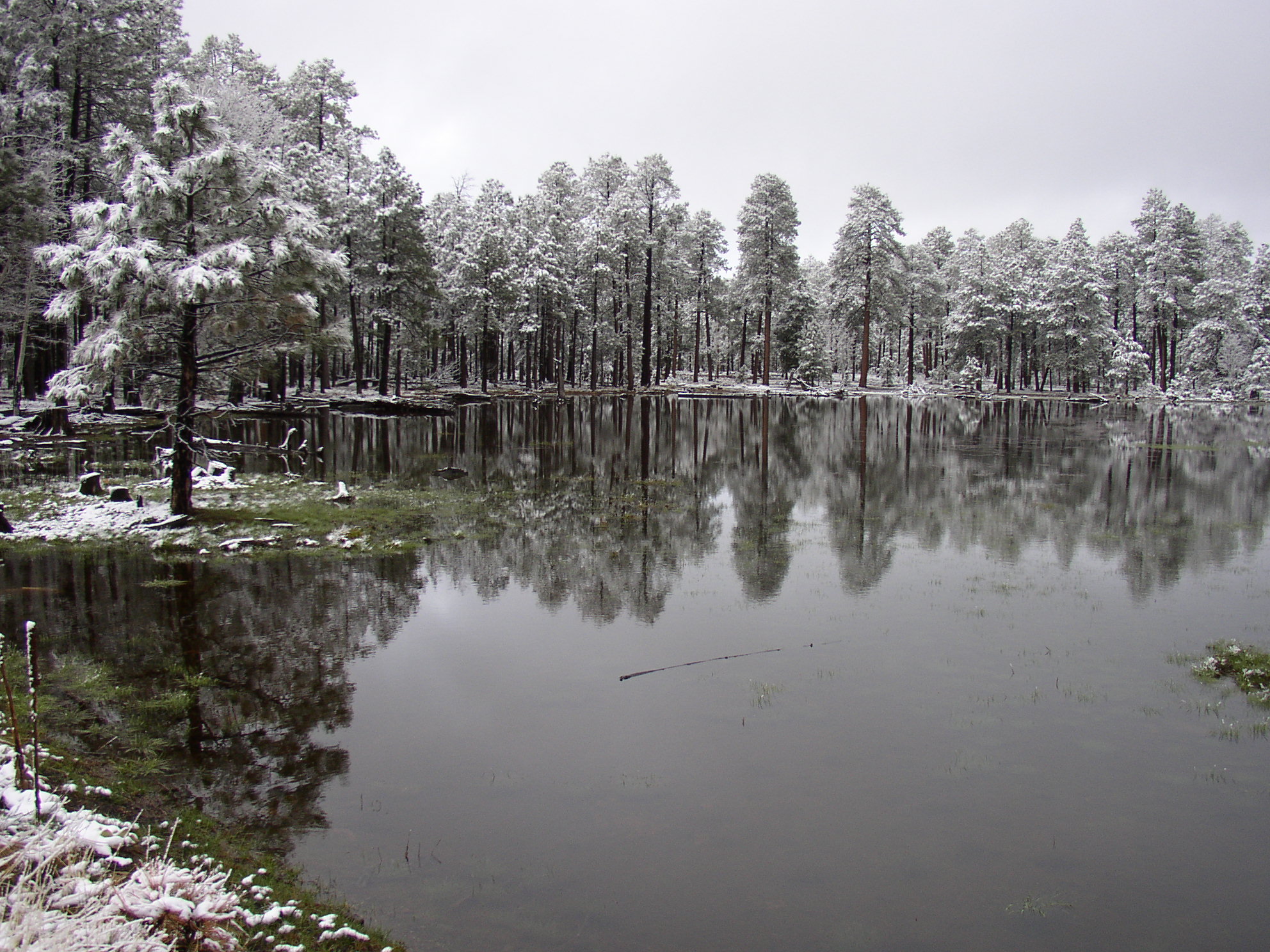 |
| The Mogollon Rim (2010) |
 | |||||
| On Escudilla Mountain (2021) |
I found a comfy chair and was writing at the Chino Valley Library , engrossed in finding the right words. After an hour of working on a c...


